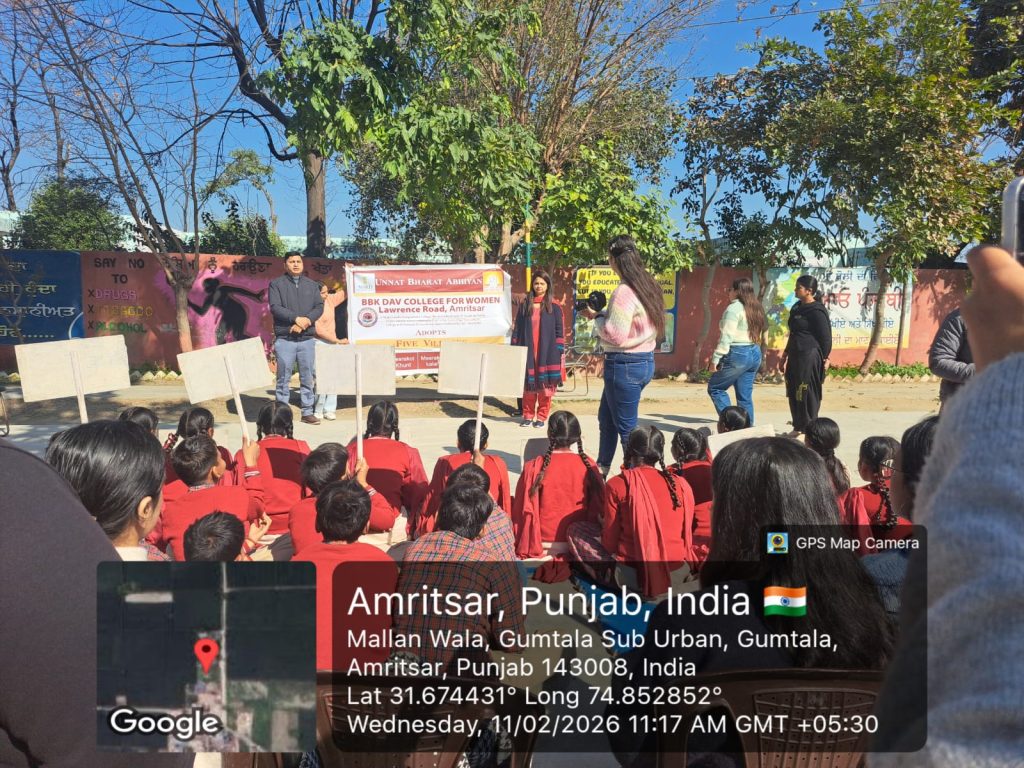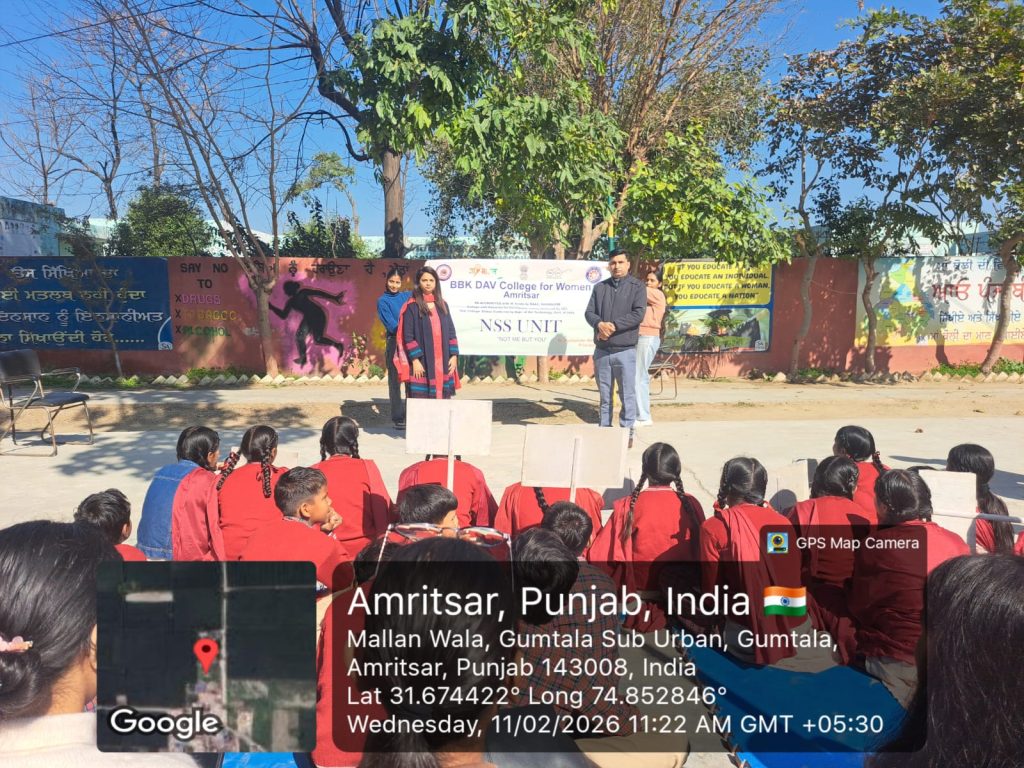
BBK DAV College for Women, Amritsar organized an Awareness Lecture on Stubble Burning on 11th February 2026, as per the directions of the Higher Education Department and the Punjab Pollution Control Board, to sensitize students and the local community about the adverse environmental and health impacts of crop residue burning.
The programme commenced with a brief introduction highlighting the urgent need to address air pollution caused by stubble burning. The keynote lecture was delivered by Dr. Rashmi Kalia, who elaborated on the harmful effects of stubble burning on air quality, soil fertility, and public health. She also discussed sustainable alternatives, government initiatives, and the crucial role of youth in spreading awareness about eco-friendly agricultural practices. The session proved to be highly informative and engaging for the students.
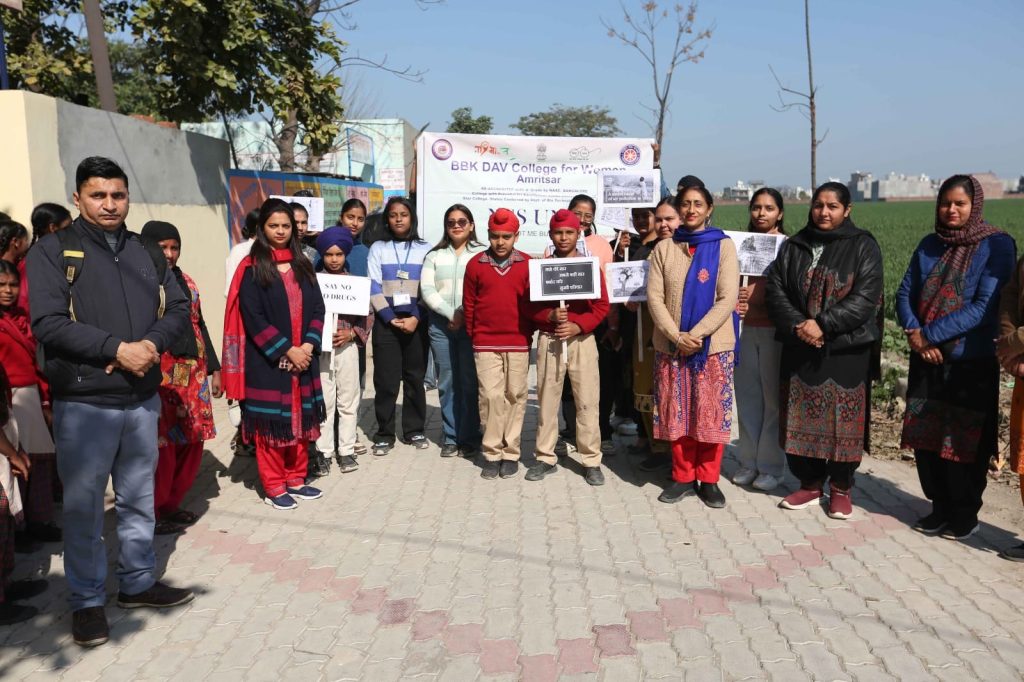
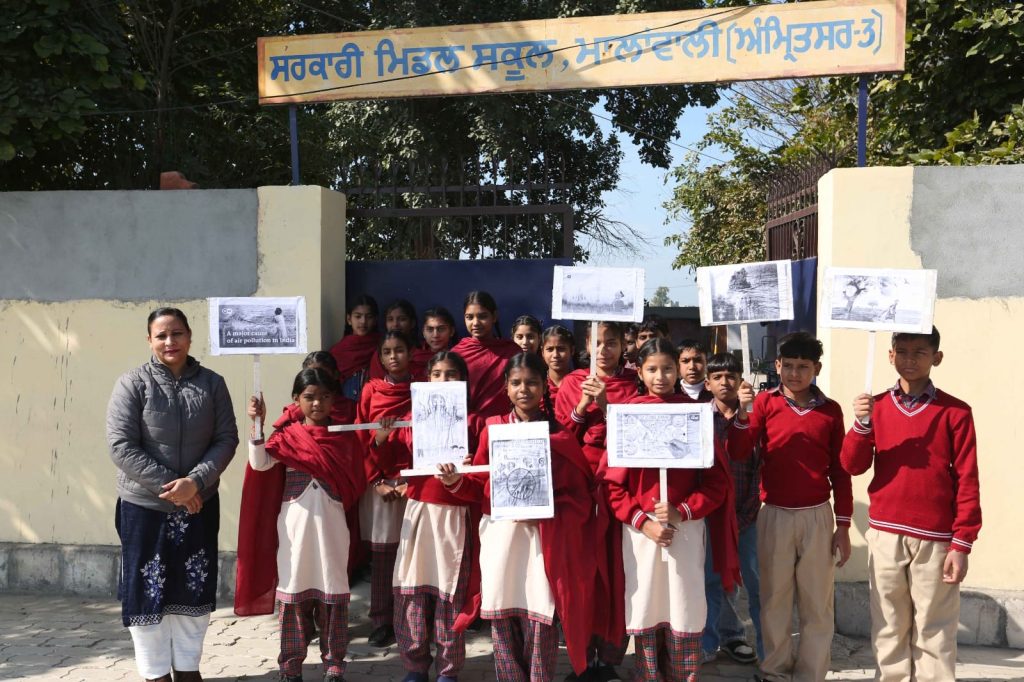
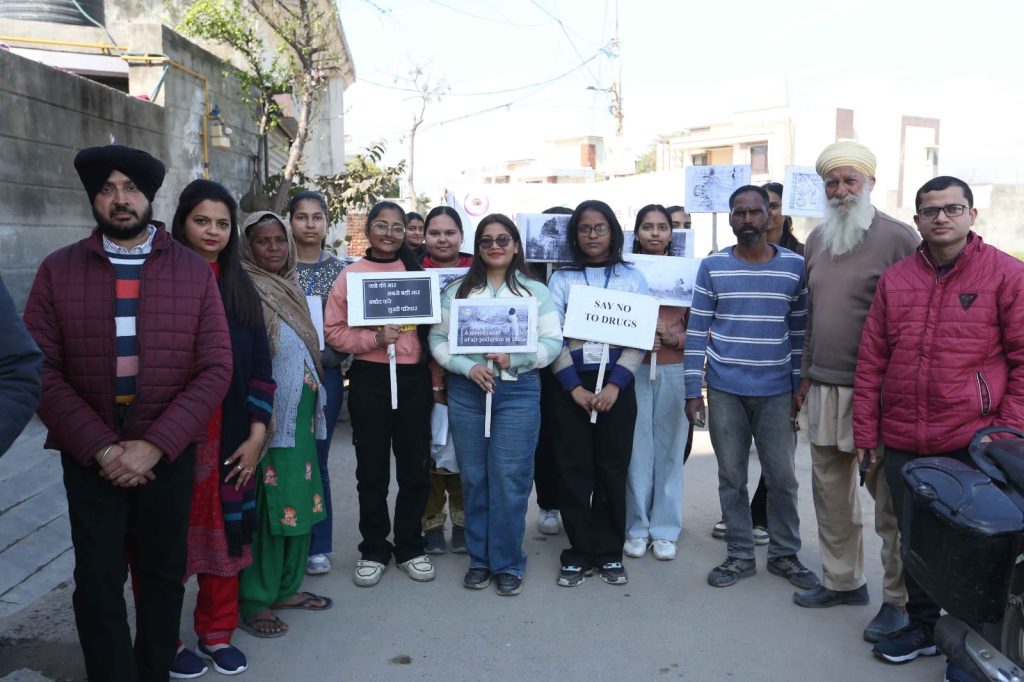
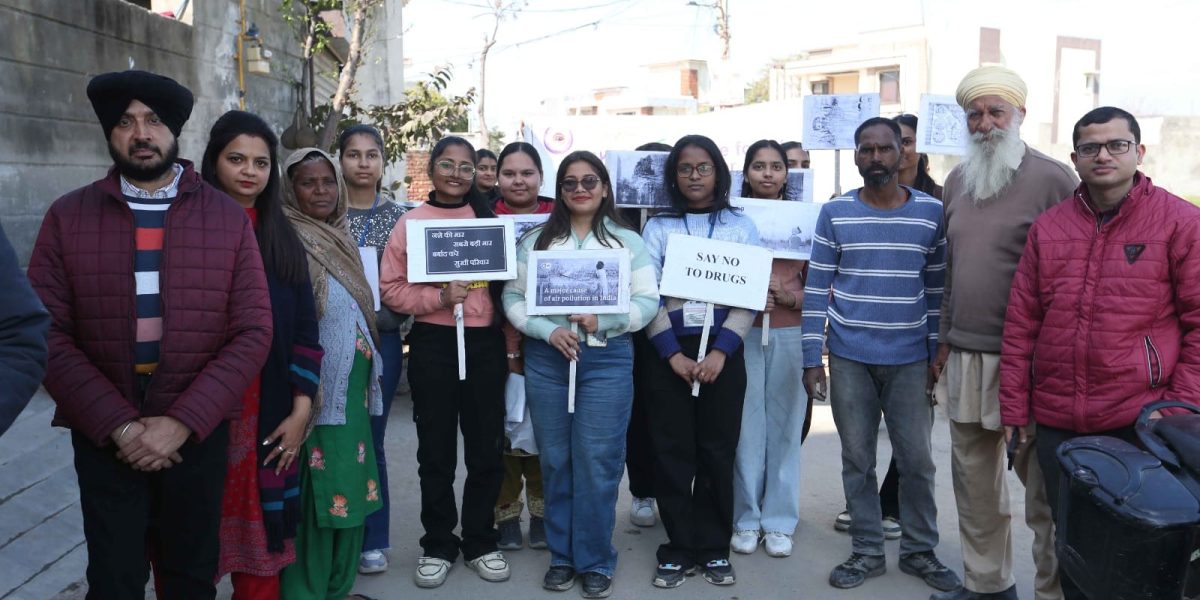
To extend the outreach of the awareness drive, a rally was organized in Malawali village, led by 14 students of the college. The students carried placards displaying powerful messages advocating the prevention of stubble burning and promoting environmental conservation. The rally aimed to directly connect with the rural community and encourage farmers to adopt sustainable residue management techniques.
Principal Dr. Pushpinder Walia stated that BBK DAV College for Women remains committed to promoting environmental awareness as an integral part of holistic education. She emphasized that empowering students with knowledge about sustainable practices is essential for building a responsible and environmentally conscious society. She also appreciated the dedicated efforts of the faculty and students in organising the programme successfully. The students were accompanied and guided by Dr. Sushil Kumar, Mr. Hardeep Singh, Dr. Sahil Gupta, and Ms. Akshika Aneja, who motivated them to actively participate in environmental protection initiatives.
The programme was a meaningful step towards fulfilling the directives of the Higher Education Department and the Punjab Pollution Control Board. It successfully created awareness among students and the local community, reinforcing the college’s commitment to promoting environmental sustainability and social responsibility.